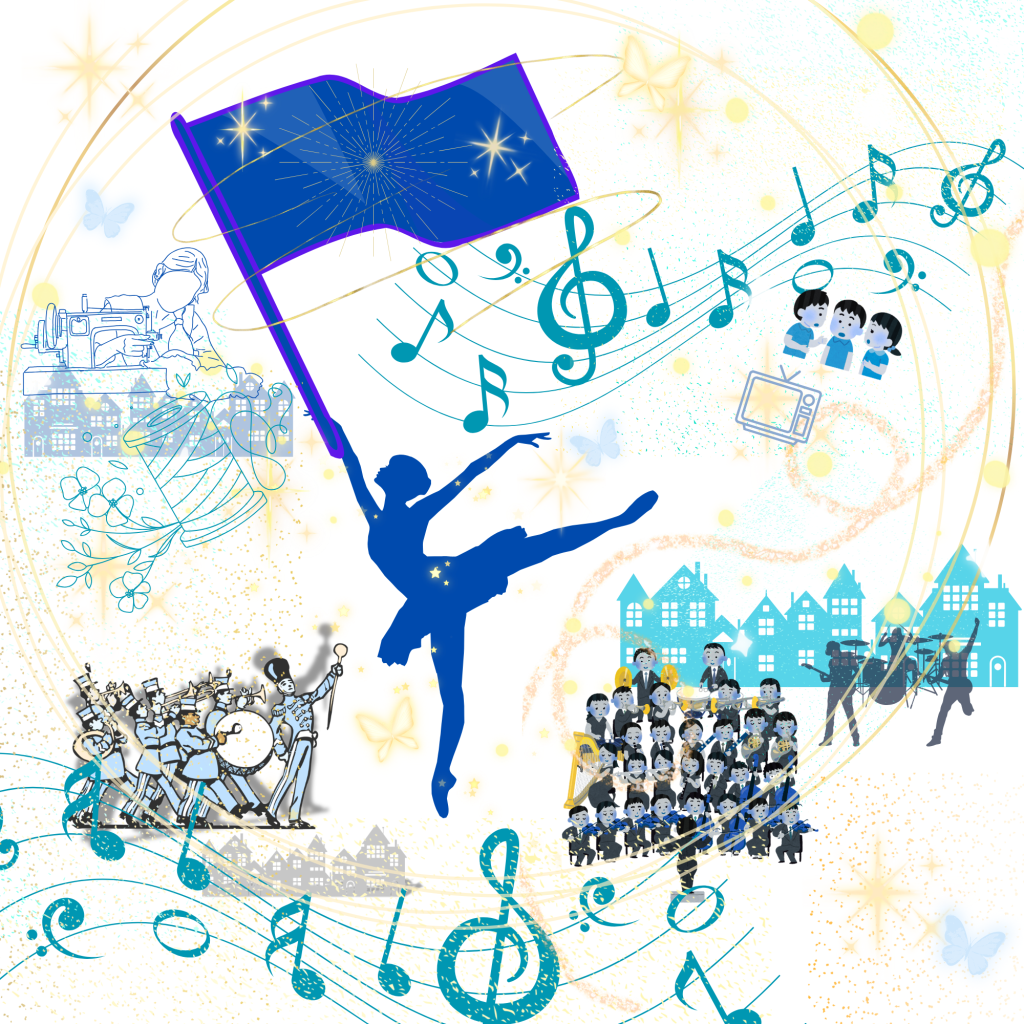
Somewhere in the city, Piazzolla was always playing…
I grew up in Takasaki, a regional commercial city committed to social development through twenty‑first‑century cultural promotion.
Artists active on the world stage—especially in music—visited constantly from Japan and abroad, offering events open to the public.
Piazzolla’s works were performed frequently, even by junior‑high students; they feel so familiar that I cannot remember the first time I heard them. I do recall listening to them in a wind ensemble or small ensemble performance when I was around eight or nine.
In addition to a system that allowed elementary and junior‑high students to hear, once every three years, the civic orchestra that became the first in Japan to be invited simultaneously to the Prague Spring Festival and the Vienna Festival, the city also permitted street performances by aspiring musicians.
This environment, which helped support the rise of Japan’s rock scene, felt very close to everyday life.
The neighboring city of Maebashi is the birthplace of Sakutarō Hagiwara, “The father of modern Japanese poetry”, and often served as a base for cultural activity. Many other key figures in the development of modern Japanese free verse also emerged there.
In Japan’s strongly decentralized system, the entire prefecture invested heavily in cultural promotion.
It was a period in which the education system reduced the amount taught in schools and left learning choices to children and their families. Even so, my teachers explained the risks of that approach and taught me far beyond the textbook.
My academic performance was at the bottom of the class, and adults often scolded me. With both parents working, they could not take care of my daily needs, and I was looked after in various places in a fragmented way.
Color Guard Art
I studied ballet for five years, from age seven to twelve. My teacher traveled between her studios in Tokyo and Takasaki, and sometimes invited a bodywork therapist to join the lessons. I took part in ensemble scenes from Swan Lake and The Nutcracker.
When I was ten, I saw Sylvie Guillem perform Bolero in a regional city hall. Her style—revolutionary in the ballet world for its expression of female independence—moved me deeply;
I was struck by the freedom with which she expressed emotions rising from within.
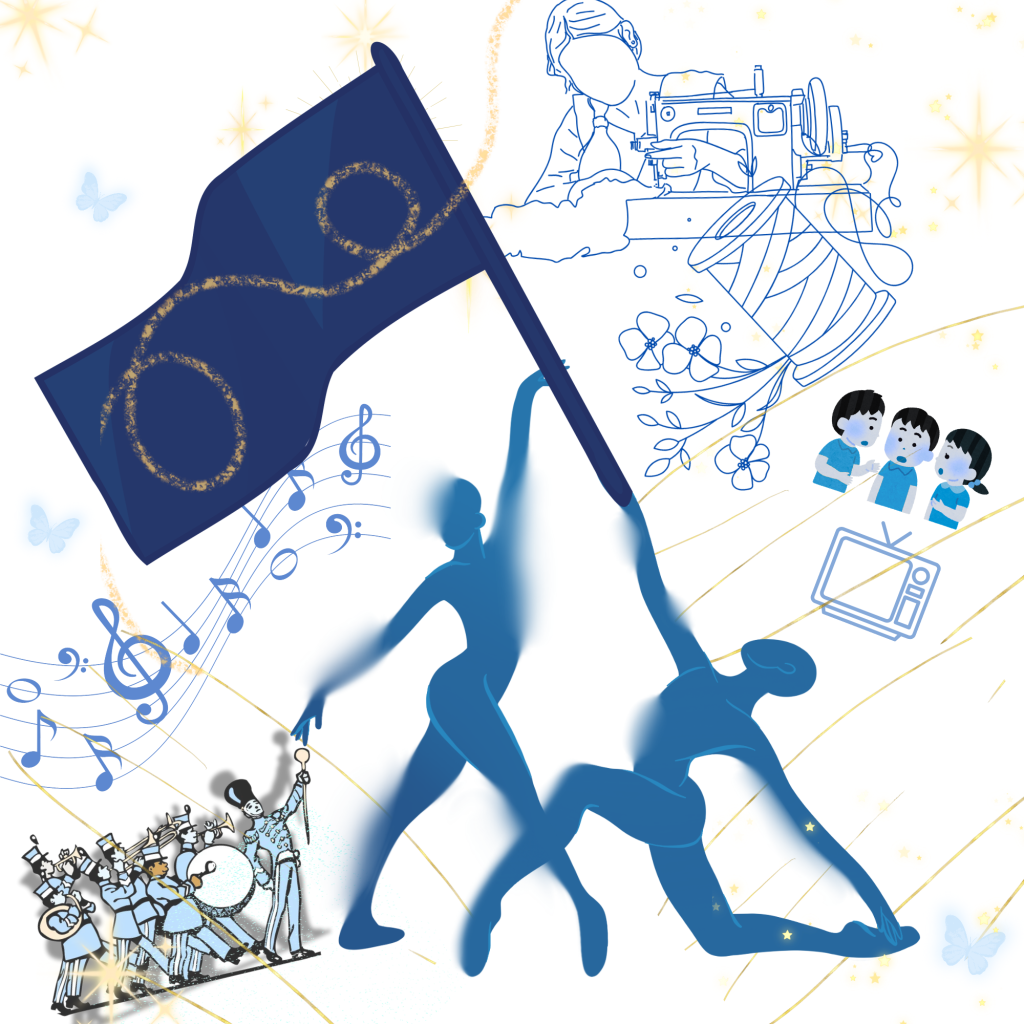
At age eleven, I joined my elementary school’s Marching Arts Club and became captivated by Color Guard Art. This dance uses flags to create vivid movement around a wind ensemble performing outdoors or in parades while marching in formation.
In Japan, it is said that nearly all children experience some form of Marching Arts during compulsory education, especially at school sports festivals.
We were taught by instructors from the renowned “The Second High School, Tokyo University of Agriculture.” They choreographed Pirates of the Caribbean for us.
Rather than teaching unilaterally, they had us watch the film, think about interpretation and expression, and even sew our own flags.
That year, the world‑ranked No.1 group “The Cavaliers” was invited to the local TAKASAKI MARCHING FESTIVAL, and I was able to watch both the open rehearsal and the performance of 007 up close. I also admired the Brahms Symphony No.1 program of that high school, as well as the performances of “YOKOHAMA ROBINS,” a well‑known Japanese civic ensemble.
Because of this, when I entered junior high school, I decided to join the wind ensemble in order to meet the requirement for that high school’s Color Guard Art program: “being able to play an instrument and helping create a collective musical performance.”
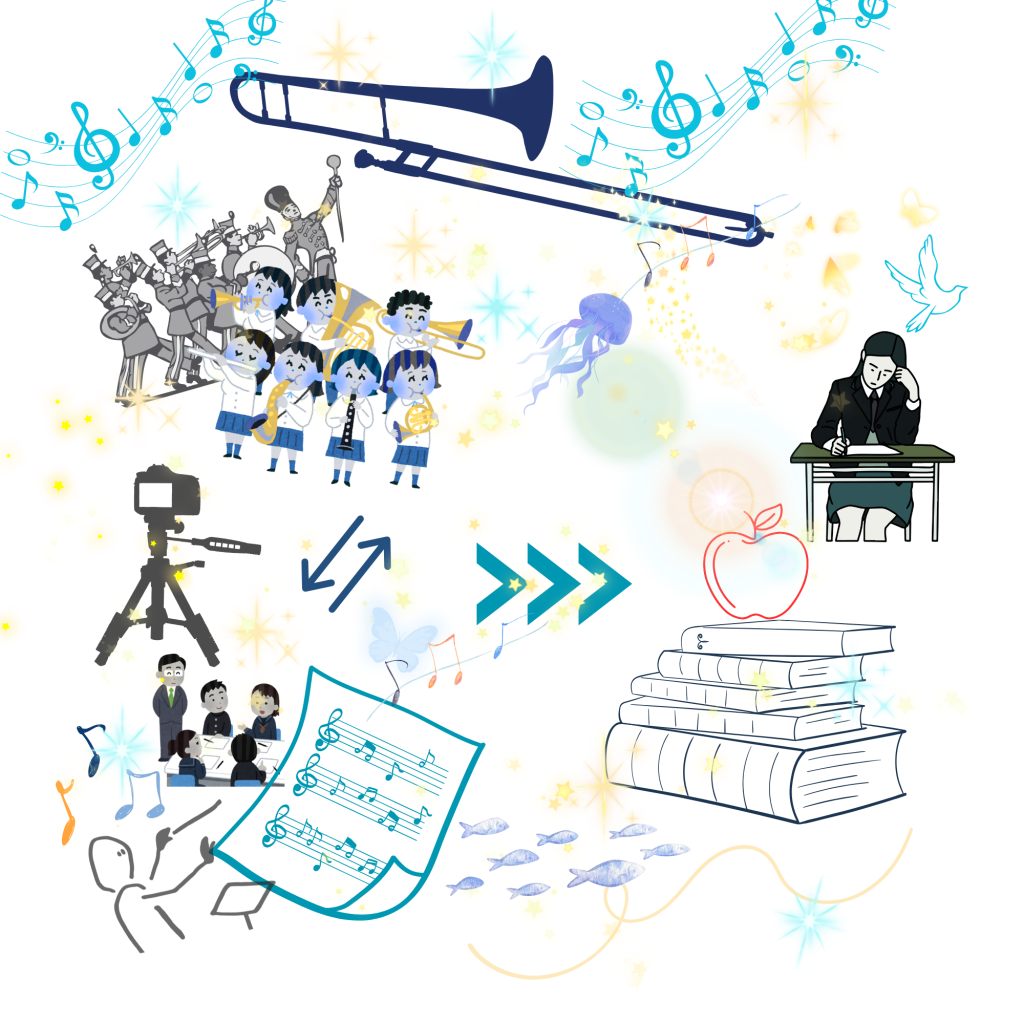
To gain the skills required by the high school Marching Art Club—“the ability to play an instrument and to help create a collective musical performance”—I spent three years, from ages twelve to fourteen, participating in my junior‑high school wind ensemble.
My instrument was the trombone.
Each member studied the full conductor’s score, and we repeatedly practiced full‑ensemble rehearsals as well as sectional and range‑based rehearsals. We recorded and listened to our performances, shared our interpretations of the music, and continually worked together to shape each piece.
The works that left strong impressions on me:
“Sing Sing Sing”
“The Bronze Horseman” the ballet, Reinhold Gliere
“風之舞” Dancing in the Wind-KAZE-NO-MAI, Yosuke Fukuda
At fourteen, in my final year of junior high school, I realized that artistic expression requires language and cultural knowledge.
I devoted myself to studying and raised my academic score by thirty points.
Although I was accepted to the high school I had originally aimed for, I chose to attend a different school.
I felt that, in order to develop a form of dance expression that truly emerged from within—especially because I had once struggled academically—I needed even more language, knowledge, and cultural grounding.
I took classes from distinguished professionals across various fields, including “The Poetry of the Universe”* taught by Nobel Prize–winning physicist Masatoshi Koshiba.
I attended Takasaki Girls’ High School, which at the time was designated as an SSH (Super Science High School) by the Ministry of Education for cultivating talent in the natural sciences.
In my final year, at age eighteen, the Great East Japan Earthquake occurred.
*Details in Teaching Portfolio: “The classes from my student days”
Broadcasting Club
To refine my verbal and visual expression, I joined the Broadcasting Club.
In my senior year, I competed in the national NHK contest in the announcer category.
In my second year, our group produced a documentary* about a regional cultural festival. We interviewed the city’s tourism division, representatives of the commercial association responsible for planning the event, and a local community dance circle.
The festival was the YOSAKOI event “たかさき雷舞フェスティバル”(Takasaki Live Festival,The Thunder Dance of Takasaki).
Through this project, I came to understand the importance of those who coordinate co‑creative initiatives.
I actively sought advice from Masaki Iino—then the school principal and later superintendent of education—who regularly invited leaders from various sectors to the school. I discussed with him how to find topics for school broadcasting, how to improve their quality, and how to develop activities that enrich the entire school community.
This experience continues to encourage me today.
*The documentary was produced using still photos and audio.There were many club members, but the school had only limited equipment.
In the computer room available to students, many websites were inaccessible due to filtering, and it was a time when many families did not allow their high school–aged children to have a computer at home with Internet access.
YOSAKOI
From the autumn of my second year to the autumn of my third, I studied YOSAKOI, a dynamic dance form that blends Japanese classical dance with diverse global dance expressions and has evolved into a participatory art enjoyed by multiple generations.
I performed in street events, parades, and stage programs. We wore costumes made from kimono‑patterned fabrics and danced with naruko, small traditional hand‑held clappers.
At the time, YOSAKOI was gaining attention in Japan as a dance that offered adolescents—especially those struggling with self‑expression, approaching delinquency, or experiencing school refusal—opportunities for personal growth and connection with others.
According to materials from Kōchi Prefecture, its birthplace, as of 2019 there were around 200 festivals in Japan and YOSAKOI was danced in 29 countries and regions worldwide.
In many Japanese municipalities, nearly all children experience some form of YOSAKOI during compulsory education, often at school sports festivals.
I studied under Taeko Saitō, who taught jazz dance and YOSAKOI to a wide range of ages—from children to seniors—and played a central role in energizing regional dance events.
2012–2016
School of Education, Major of Japanese Language and Literature, Waseda University
Degree: Bachelor of Arts in Literature
In an academic environment where each of the eleven fields related to Japanese literature, Chinese literature, and education had at least two faculty members, I developed a strong foundation in critical and creative thinking.
The department traces its origins to 1903 as the Japanese and Chinese Classics Division and offered extensive training in classical Chinese literature as well.
I also took courses* in the School of Literature, deepening my understanding of literature from around the world.
In addition, I participated classes in the university’s renowned School of Sport Sciences, including ballet and kyūdō, and was strongly inspired by their scientifically grounded approach to instruction.
Taking advantage of the university’s location in the capital, I regularly attended major performing arts events and visited cultural and educational institutions, learning about the quality and expressive methods required for universal lifelong education. This learning continues beyond graduation.
Bachelor’s thesis*: Modern Japanese Free Verse and the Public Education System That Supported Its Development
*Details:More-Teaching Portfolio
Primary mentors:
Shunji Chiba — scholar of Junichirō Tanizaki*
*A leading figure of the aesthetic school in modern literature, known for exploring feminine beauty
Toshiyuki Fukuya — scholar of Murasaki Shikibu, author of The Tale of Genji
Ken Zaizen — calligrapher known for title lettering of historical TV dramas of public broadcaster
Extracurricular activity: In my first year, I joined a disaster‑relief volunteer circle focused on urban preparedness. I obtained certifications such as Basic Life Support instructor (now expired) and engaged in approachable, hands‑on activities.
Through this work, I learned from many people how to build cooperative networks, and the time spent was invaluable.
However, after encountering structural issues in volunteer work and recognizing the need for specialized expertise in social contribution for university graduates, I decided to focus on teacher training.
Having spent much of my school years on extracurricular activities and feeling the need to strengthen my academic foundation, I remained in the circle for only one year.
Chinese: CEFR B1 equivalent
English: reading comprehension CEFR B2 (other skills around B1) equivalent
Currently reinforcing both languages.
Certifications:Teaching licenses for junior high and high school.
2016–2022 Full‑time Teacher, Academic Track High School, Gunma Prefecture
-Implemented instruction that integrated remote and in‑person learning to create synergistic effects during the COVID‑19 pandemic.
-Broadcasting Club Advisor: guided students to national competitions and interdisciplinary performing‑arts stages*; served as a national‑level judge.
Learned announcing, expressive reading, interviewing, scriptwriting, and video production from leading experts in Japan.
*Detailes:More-Teaching Portfolio
-Academic guidance: contributed to student success in both academic‑exam admissions and recommendation‑based admissions.
-During the pandemic, worked to ensure that large‑scale, student‑led extracurricular activities remained meaningful by strengthening planning and collaborative skills.
-During the pandemic, worked to ensure that large scale, student led extracurricular activities remained meaningful by strengthening planning and collaborative skills.
In particular, with the girls’ dance club, fostered the ability to interpret official guidelines, flexibly consider what was possible for each event, manage schedules, and practice democratic organization.
Guided the group to become a model of balancing academic and artistic excellence.
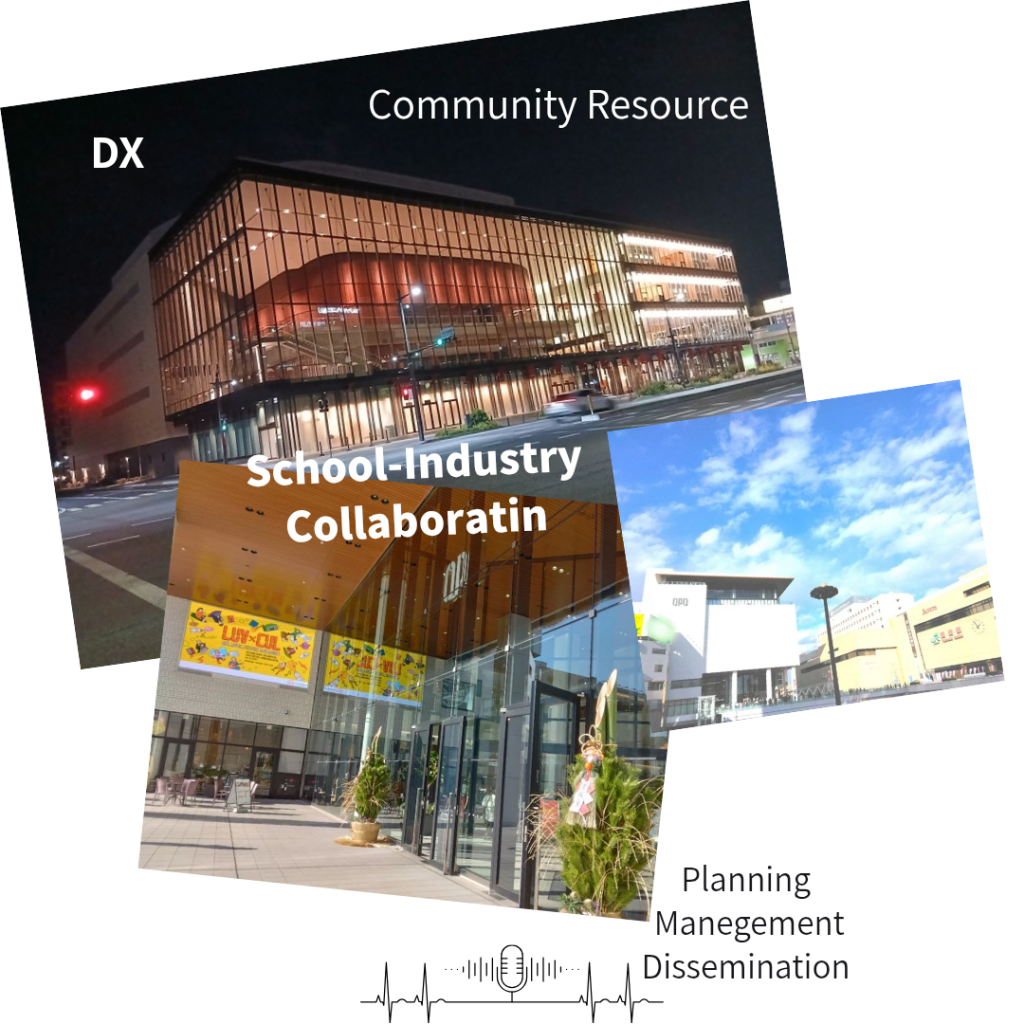
2022–2025 Full‑time Teacher, Commercial Track High School, Gunma Prefecture
-Planned, managed, and disseminated “DX & Community‑resource‑based School‑Industry Collaboration” projects.
Managing cross‑grade groups helped cultivate students’ organizational leadership skills.
*Detailes:Articles-Teaching Portfolio
-To support students’ future autonomous learning, organized approximately seven workshops with representatives from various fields, focusing on developing the creativity needed to use technology and on learning methods for utilizing AI and media.
Actively participated as a learner myself. Enabled collaborative participation across grades and club boundaries.
-When undertaking new initiatives, studied the latest approaches to language‑expression instruction through key works by leading figures in university admissions, broadcasting, and communication education,
applying the Japanese principle of fueki‑ryūkō (the balance of the unchanging and the evolving) to my teaching practice.
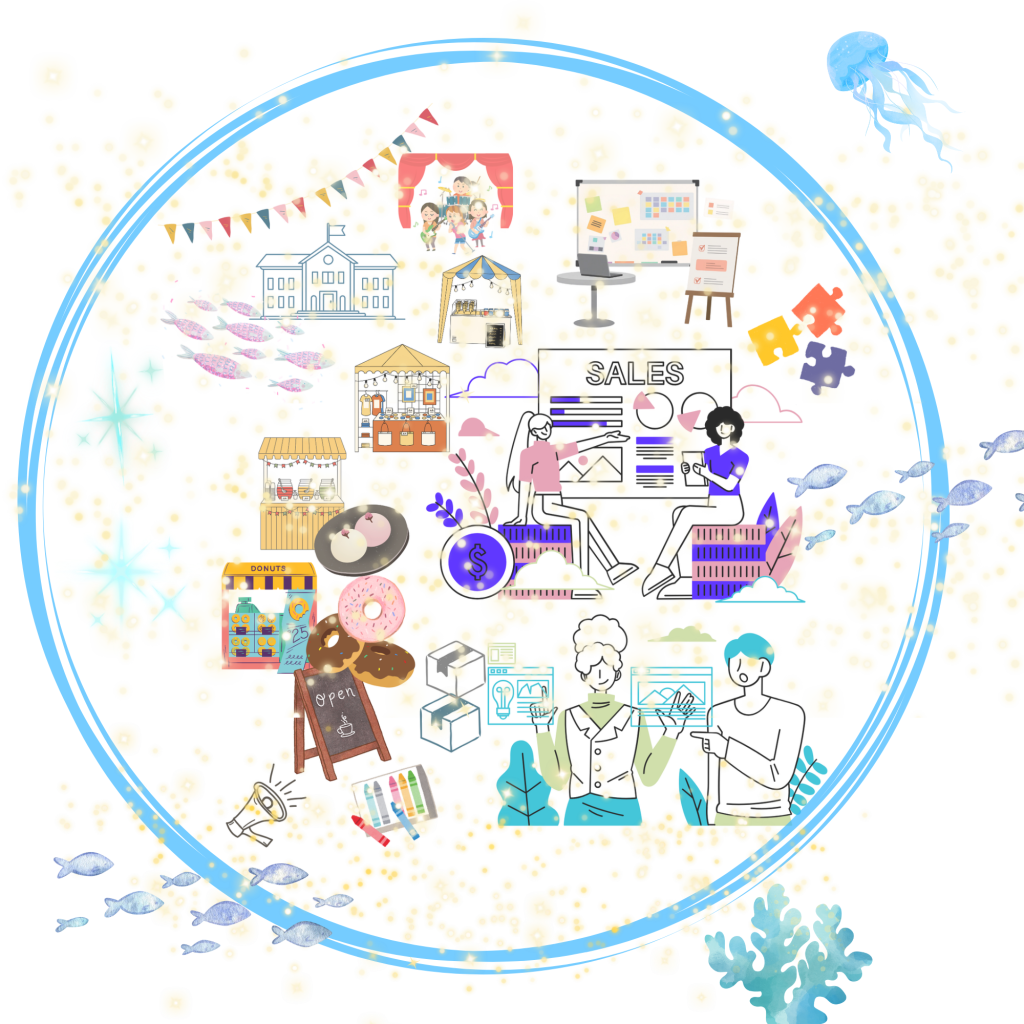
-In my final year, under significant time constraints due to diverse learning activities, the only project that allowed a full PDCA cycle based on input was the operation of two student‑run shops for my homeroom’s cultural‑festival event.
I supported all students so they could fulfill roles in simulated accounting, management, and effective promotion rooted in Japanese linguistic culture.
-Broadcasting Club Advisor: focused not only on competition results but also on returning the synergy between Japanese‑language classes, homeroom guidance, and club activities to the school and local community.*
In my second year of teaching, I was diagnosed with a thyroid condition.
My heart was functioning as if I were constantly sprinting a 100‑meter race, and my doctor instructed me to avoid strenuous physical activity.
The illness is now fully cured.
During the summer break of my third year, I underwent surgery to remove a tumor and spent a week bedridden.
That same year, my grandmother—who had lived with dementia for many years—passed away.
As I struggled with questions about how to move forward in life, I encountered tango dance in my fourth year of teaching.
Tango—a dance in which one takes an axis slightly upward to the right, embraces the partner in a crossing of axes, enjoys an improvised dialogue while respecting each other’s balance, and transforms mistakes into new steps over the course of three continuous minutes—became a recurring source of insight for how I relate to students and how I grow in my work.
Because of the pandemic and increasing responsibilities, I was unable to take tango lessons regularly; in total, the actual period in which I could study consistently amounts to about one year.
Even so, I have continued learning by attending top level performances and competitions in Japan and abroad, studying documentaries and archival recordings, and taking lessons from internationally active teachers when they visited Japan, as well as at several studios in Tokyo.
With the aim of contributing to social development through STEAM education, twenty‑first‑century cultural promotion, and the creation of new spaces for community exchange in regional cities moving toward compact‑city models,
I resigned from my teaching position in March 2025, at the end of the academic year.
My goal was to deepen my training in tango and in the co‑creation of lifelong learning.
I seek to create environments where expressive abilities can be cultivated through both verbal and nonverbal means, focusing on the unique capacities that only human beings possess.
*Tango emerged as a synthesis of diverse popular cultures, developing through the fusion of verbal and nonverbal expression. It shares elements with attachment formation through physical contact—an aspect emphasized in school education—and has been recognized for its positive effects on dementia symptoms.
It is also inscribed on UNESCO’s Intangible Cultural Heritage list in 2009.
At one point, I considered studying abroad earlier, but I realized that to design and manage lifelong‑learning programs, I needed intensive study in languages, history, and various skills, as well as practical preparation for living abroad.
For this reason, I spent about a year engaging in the training described below.
Although I sometimes considered changing direction due to uncertainty, in early February 2026 I learned that I met the eligibility requirements for Escuelas‑SODRE and decided to apply.
The school offers a multidimensional approach to tango—both theoretical and practical, including literature, philosophy, and ballet—with tuition fully waived.
It is a national institution under the National Directorate of Culture of the Ministry of Education and Culture of Uruguay, a country internationally recognized for its achievements in IT, STEAM education, and sustainable social development.
After an examination that required reading multiple materials, submitting three written reports, and completing an oral interview—with translation tools permitted as secondary support—I was granted admission to study in the Área Tango‑Tecnicatura beginning in March 2027.
I initially considered starting in April 2026, but adjusted the schedule to balance study with work, complete the necessary administrative procedures for studying abroad, and prepare collaborative activities.
Although managing work that supports my daily life while studying and contributing to both remains challenging, I continue to devote myself to this path each day.
One Year of Study
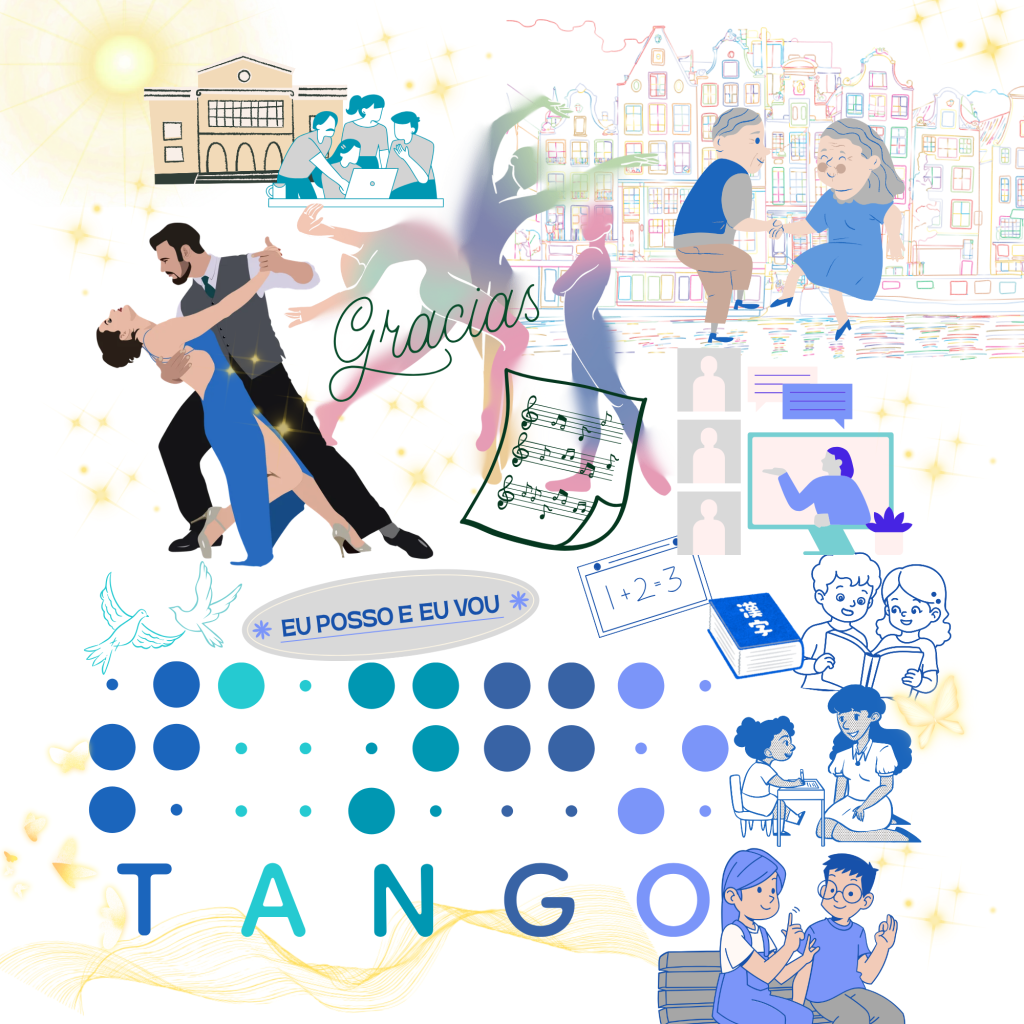
With the aim of engaging in international exchange work in the future—such as JICA senior volunteer programs or roles related to diplomatic affairs—and of studying tango long‑term in its homeland, I undertook the following areas of study.
-Training to teach Japanese to foreign learners, using multiple resources such as the materials jointly developed by Mitsui & Co. and Tokyo University of Foreign Studies for teaching mathematics and kanji to multinational children up to third grade.
-Refinement of teaching methods in Japanese literature, Chinese literature, and linguistics, enabling future collaboration with Japanese secondary‑education settings.
I also consulted major reference books used by leading university‑entrance preparatory instructors.
-Language skills: International Sign, international gesture etiquette, communication‑sheet design, Japanese Sign Language, Braille, Easy Japanese, Portuguese, Spanish, Chinese, and English (reinforcing communicative competence).
-Participation in tango therapy at a senior care facility in Tokyo, learning exercises that integrate tango dance and music to support physical and mental well‑being.
-Study of Japanese traditional arts through municipal workshops taught by specialists*: Japanese dance, ikebana, koto, shakuhachi, and tea ceremony.
In addition to learning the arts, I studied how to select high‑quality materials for self‑directed learning and how to design effective one‑session courses suited to contemporary learners.
-Literary analysis of representative tango lyrics, deepening my understanding of the nuance and sound of each word; I also referenced fútbol chants.
-South American geography and history.
-By having the opportunity to seek advice about my own future from a wide range of professionals —including notaries and diplomats both in Japan and abroad, nationally certified career consultants and financial planners, as well as directors of reskilling institutions and distance‑learning programs— I was able to deepen and broaden my perspective on career education and financial education.
-Lessons at tango studios in Tokyo* and online instructional videos.
-Re‑studying ballet* to contribute to the preservation and development of dance culture.
*Details: Study Materials & Workshops: Languages, Japanese Cultures & Lifelong Education
*Spanish and Portuguese: grammar acquired in both languages; communicative skills currently being strengthened. Spanish: CEFR B1. Portuguese: CEFR A1.
*During a four‑month period away from dance while reconsidering my direction, the instruction I received at the following studios —which guided me from the fundamentals of dance to preparation for the Escuelas‑SODRE exam— became especially valuable.
Despite limited time and my complex circumstances, they tailored their teaching precisely to my needs, helping me improve musicality, physicality, and overall harmony.
Rika Tango Studio — Rika Noda, Matias Catanzaro
TANGO Style — Kazumi Kuwabara
MTBI in TOKYO —Mamiko Tada―Ballet
Study Materials & Workshops: Languages, Japanese Cultures & Lifelong Education
song: Malena
The poem that conveys the unique qualities of tango—distinct from other forms of expression—and expresses respect and a sense of wonder toward the diverse people who dance or live the tango.
manga: 日出処の天子
The Emperor of the Land of the Rising Sun
Daemon or dancing maiden? — The shadowed presence of an ancient Japanese sovereign, portrayed with an androgynous ambiguity.
book: 真田太平記
Annals of the Great Peace of Sanada
In a tale where the shinobi race forward and each person’s axis of life intersects with dark, vivid allure, one suddenly feels compelled to gauge the principle that governs stillness and motion.
phrase: “Because music is for everyone.”
― from the film ここに泉あり (Here Springs a Fountain), 1955
© 2026 Rika Ogasawara